 GOV
GOV


This article is 7 years old. It was published on March 26, 2018.
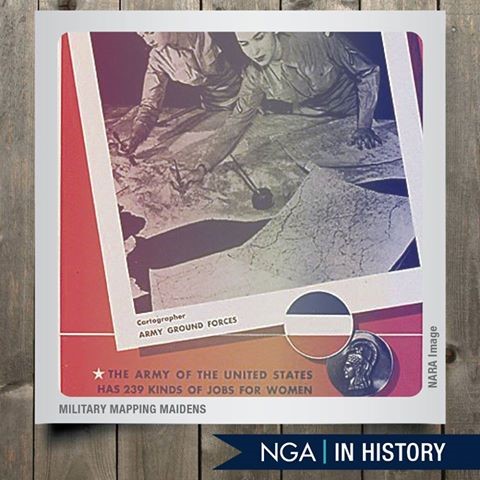
Just as the demand for mapping products was escalating early in World War II, the Army Map Service, an NGA predecessor organization, was losing much of its workforce to the armed forces.
A solution to the urgent need for replacements emerged when the University of Chicago’s Geography Department developed a course in military map making and began offering it to women’s colleges in the East and Midwest.
In its inaugural year, 200 women completed the course. As the program expanded to more colleges, the Army Map Service provided a four-week course that gave recruits further training.
The “Military Mapping Maidens” – or “3Ms” – charted strategic locations, churches, schools, land contours, bodies of water and roads. They used foreign maps, aerial photos and other information to create the maps. Some were printed on silk and carried by troops as survival tools.
-
Contact Information:
Juwanna Brown
Project Manager - Project Connect -
Department:
St. Louis Development Corporation
-
Topic:
History and Heritage


