 GOV
GOV
Gateway to the World: How Gateway Global is Connecting Students to Geospatial Intelligence Certificates
Gateway Global is providing students the opportunity to participate on the global scale.


By Aubree Herzog, Washington University Gephardt Institute for Civic and Community Engagement, 2026 St. Louis Fellow
Gateway Global American Youth and Business Alliance Academies, located in the Hyde Park neighborhood, is providing opportunities for students to receive Geospatial Intelligence certificates. They are accredited through the United States Geospatial Intelligence Foundation to provide students with Certified Geospatial Professional Essentials (CGP-E) certificates.
The classes take place in the former Most Holy Trinity Catholic School, which is now the Geospatial & IT Workforce and Apprenticeship Campus (GIWAC). The building was bought by Gateway Global in 2022 and officially opened in 2024. The building underwent major renovations, funded in part by a neighborhood transformation grant by the Community Development Administration.
The conversion of the Most Holy Trinity Catholic School building into the new geospatial education campus was made possible through a Neighborhood Transformation Grant of $350,000 from the Community Development Administrations (CDA). The space has been completely transformed, and is now fitting of the bright minds that sit within the halls.
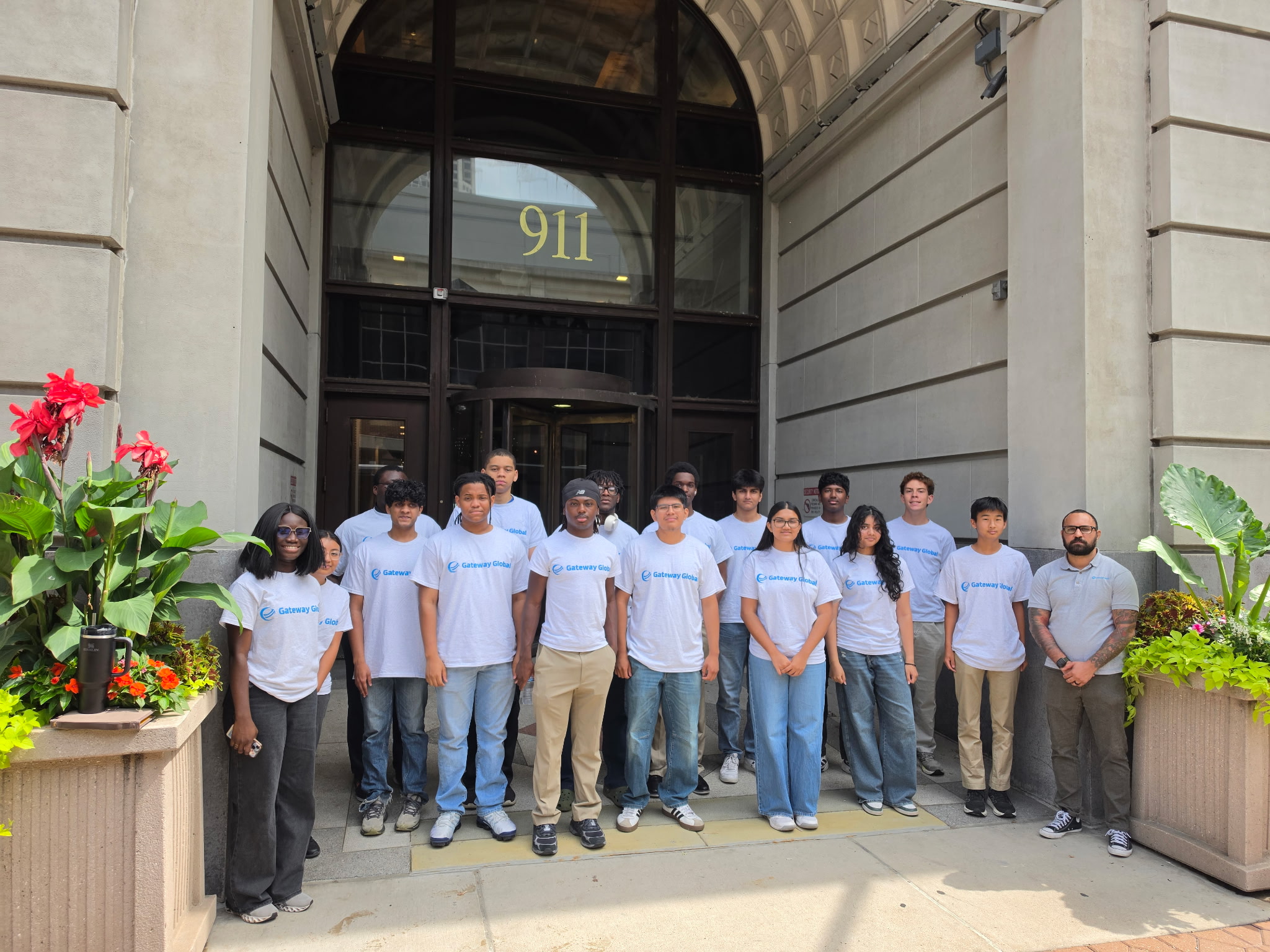
This Summer’s NextGEO Summer Academy Cohort.
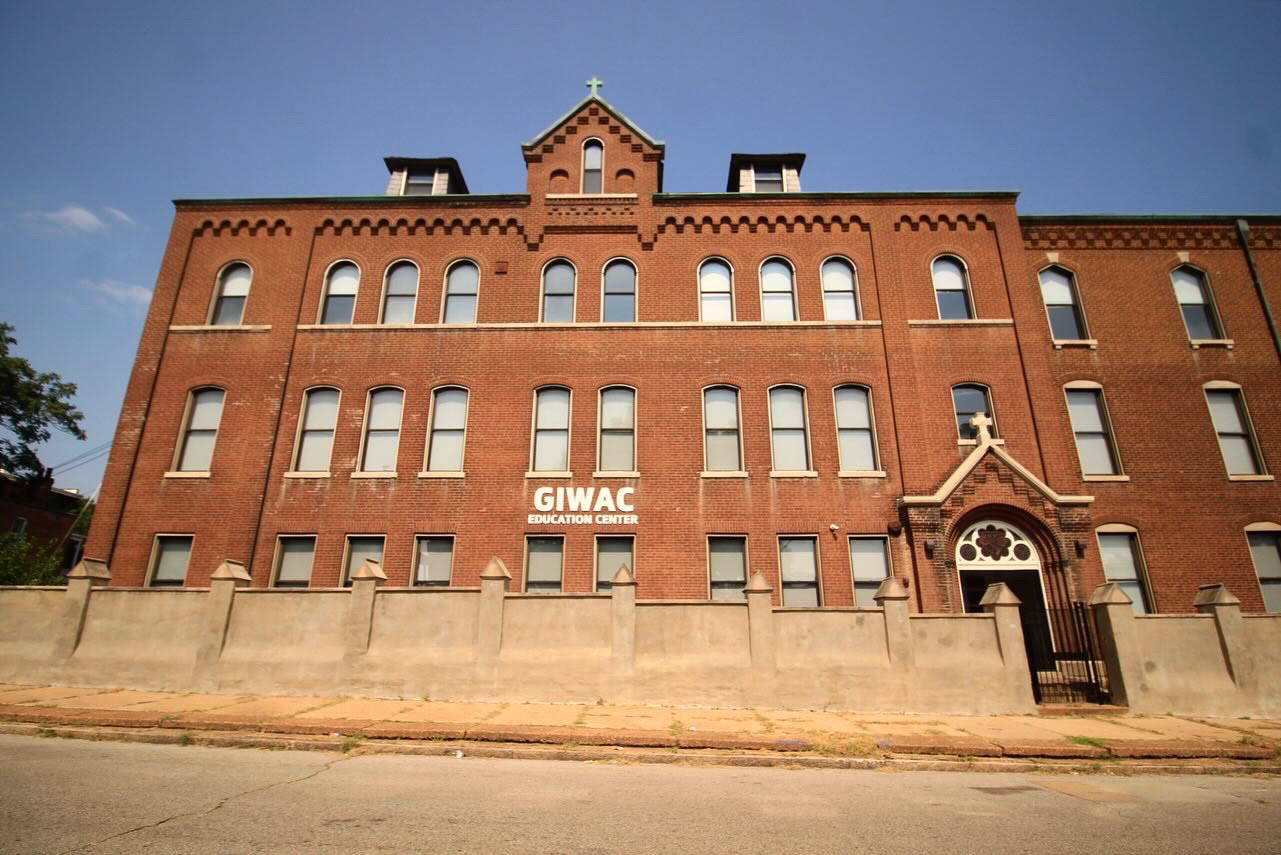
The GIWAC Campus in Hyde Park.
NextGEO Summer Academy is the only non-university institution to receive this accreditation, which follows the same academic and curricular rigor as their university counterparts. The curriculum focuses on the same baseline knowledge that the graduate and undergraduate programs require. The program allows students to learn the essentials of a two year undergraduate study in geointelligence, condensed into eight weeks.
Caleb Scott, a rising senior, is participating through the St. Louis Internship Program (SLIP). SLIP is an 8-10 week professionalism course that matches students with summer internships. He received a stipend for working there this summer, and expressed his gratitude for being in a program so dedicated to youth.
“St. Louis is one of those most underrated cities, you have all of these opportunities that are basically up for grabs, for teenagers, and programs like these, and they help pull kids out of the mindset that school doesn’t matter and education doesn’t matter.” Scott said. "I think that earning these certifications will definitely help me pursue technology in college, and it steered me toward the right path.”
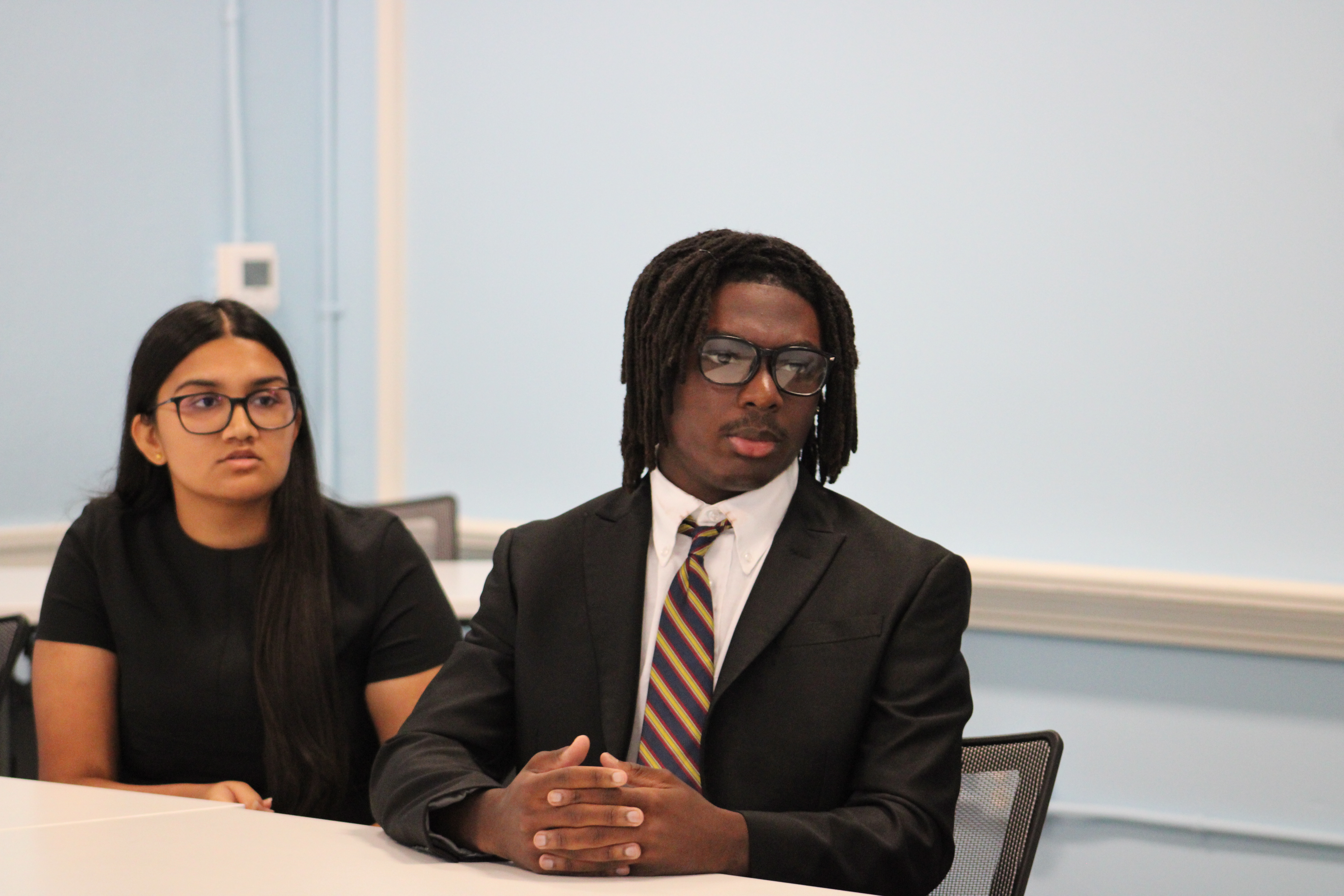
Caleb Scott and Advika Srivastava sitting at our panel.
Students are able to get hands-on experience working within a field that holds a large presence in St. Louis. Sitting as the geospatial capital of the country, St. Louis has an incredible amount of resources and geospatial assets. With the National Geospatial-Intelligence Agency (NGA) two minutes down the road from their campus, and Esri holding two office locations in St. Louis, there are an incredible amount of resources available for St. Louis students.
While there is an abundance of resources, there isn’t always an abundance of access according to Gateway Global staff. However, they hope to eliminate those barriers between students and professionals giving them the opportunity for research and mentorship.
“Talent is universally distributed but opportunity is not, and so one of the upsides of St. Louis is that there is an abundance of professionals that have the talent, skills, and ability they just need the chance, and we try to provide that chance and opportunity whether it be in geospatial intelligence or any other field,” Dr. Trey Hull, Director of Curriculum and Instruction and primary instructor of the summer academy course.
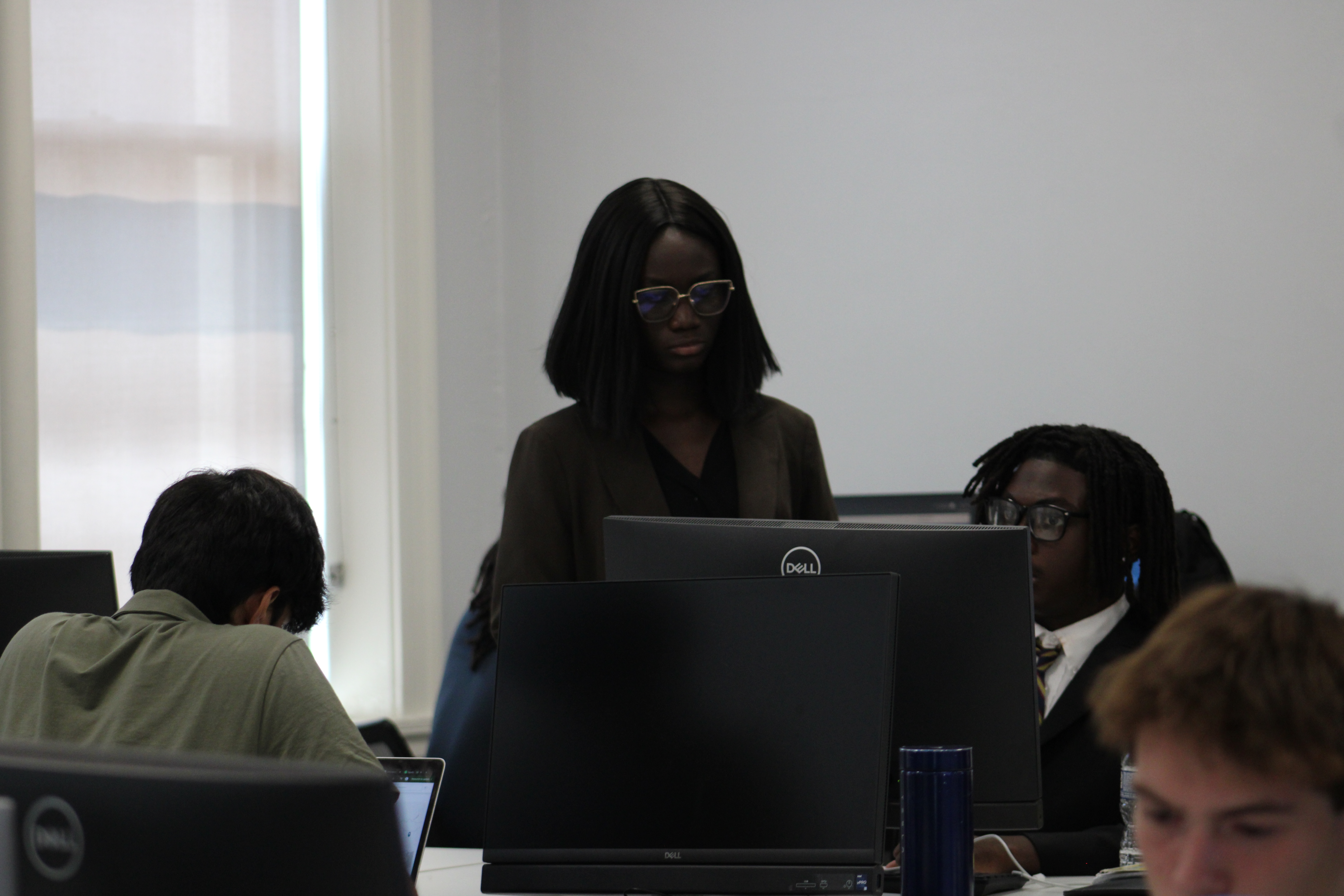
Professor Mary Sowatei provides instructions to students.
The schedule for the 18 students in this summer's cohort is a hybrid one where they attend in person Monday, Wednesday, and Friday from 9:30 to 3:30 and hold remote labs Tuesday and Thursday. Their in-person days consist of a lecture or interactive class activity from 9:30 to 12:00. Then students break for one hour for lunch, and return back to the classroom until 3:30 for a GIS Lab or hands-on experience.
The class culminates with a capstone project. Students give an intelligence briefing on a chosen subject, this year being the Strait of Hormuz. They do research on a subtopic within the subject, and then give an intelligence briefing to notable figures in the geospatial intelligence community, including former
Principal Deputy Director of National Intelligence (PDDNI) Dr. Stacey Dixon.
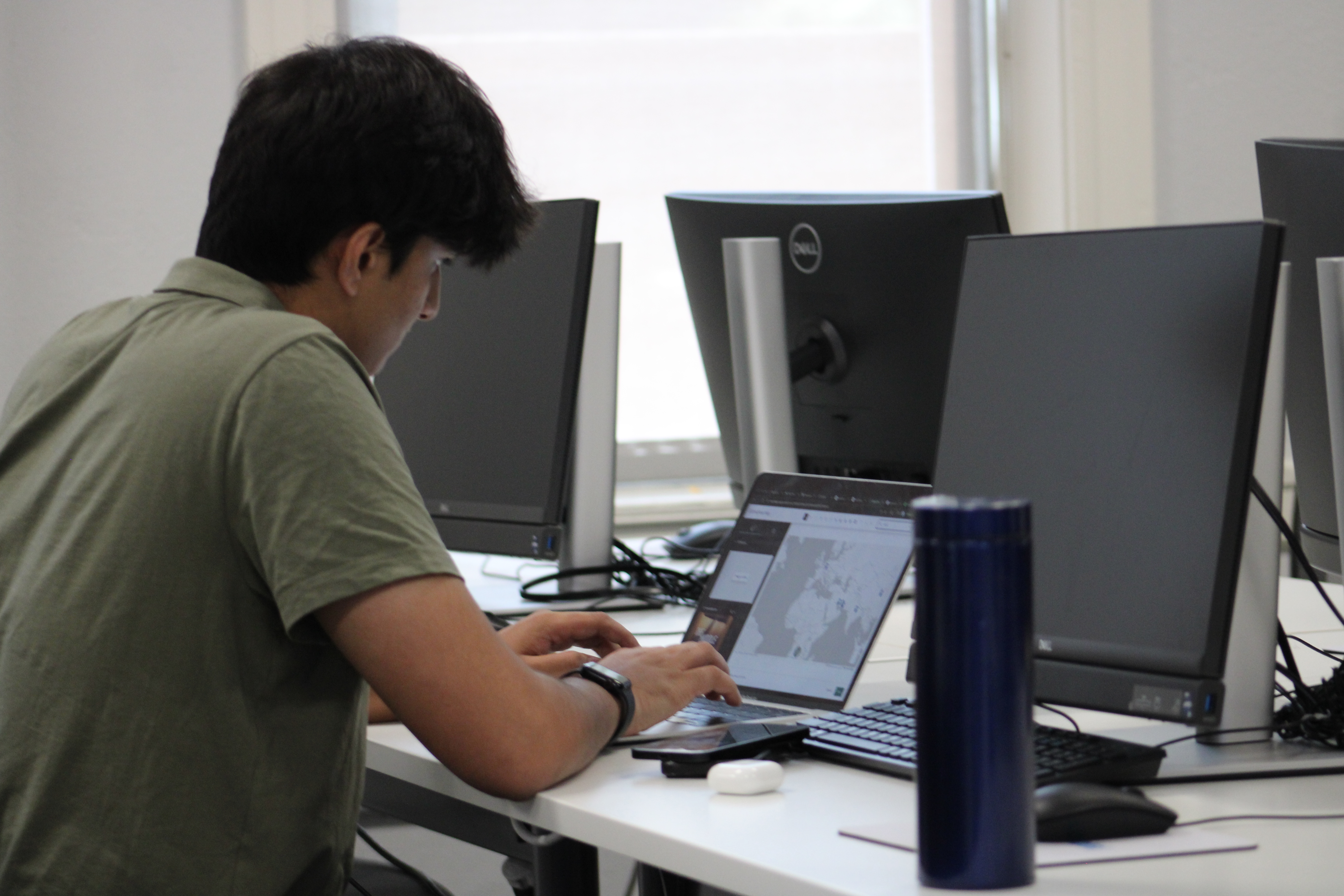
Student working on capstone project during afternoon session.
The courses are currently offered completely free to students, with no tuition or cost to attend. Students receive a $2000 Esri license for the course, alongside mentorship, free transportation passes through
Metro Transit, and other resources to help them succeed. Students also have the ability to borrow laptops for the program, if they do not have their own.
“This is the foundation for students, we want them to take this and run with it. We want students to leave here with a portfolio," said Katrina Brown, the Vice President of Programs and Academics.
Students receive a portfolio of micro-credentials at the end of the program, earning one for every lab they complete.
Gateway Global also works with a wide variety of partners to provide youth with as many opportunities as possible, including the St. Louis Metropolitan Police Department, Verizon, Midland States Bank, T-REX St. Louis, the National Geospatial Intelligence Agency (NGA), the Regional Business Council, General Dynamics Information Technology (GDIT), Esri, Missouri Department of Higher Education and Workforce Development, Leidos, the Community Development Administration, the Missouri Department of Economic Development, Girl Scouts of Eastern Missouri, and AT&T. These partnerships help their students network and build connections within the industry.
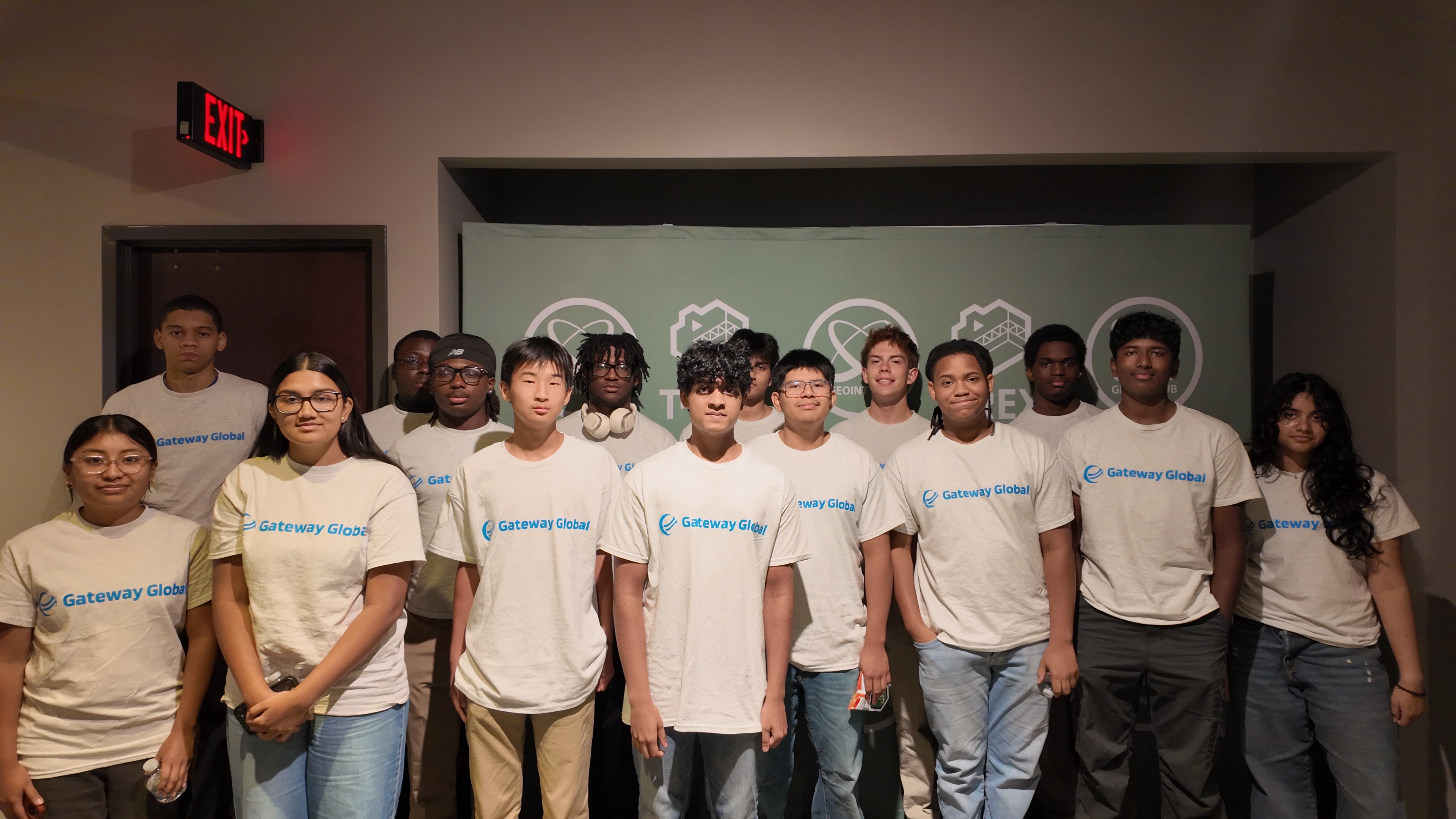
Students on a field trip meeting with community partners
These partners show up in different ways, whether that’s to hear students’ final capstone presentations, for career exploration days, or to fund different programs. A large player in these connections is students attending the NGA Convention, known as GEOINT Symposium. Students have been invited to speak on the main stage, present their work from their capstone projects, and can even get their work published.
Arjun Allu, a rising junior and program participant through Spark! at Parkway Schools, discussed how this certification will help him in the job market, “I think this will give me some sort of advantage, because if I'm searching for a job, or some sort of internship, it'll already show, like whatever I'm applying for, it’ll show my employer that I have the skills and I have the determination and persistence to actually finish a course this long. I’m able to learn and apply what I’m being taught.”
The program hopes to expand in the future, to be able to offer multiple courses at a time and teach to students all across the country. Students in the St. Louis area are highly encouraged to apply, when the application cycle opens. The application consists of submitting a resume, writing supplement, and an interview round.
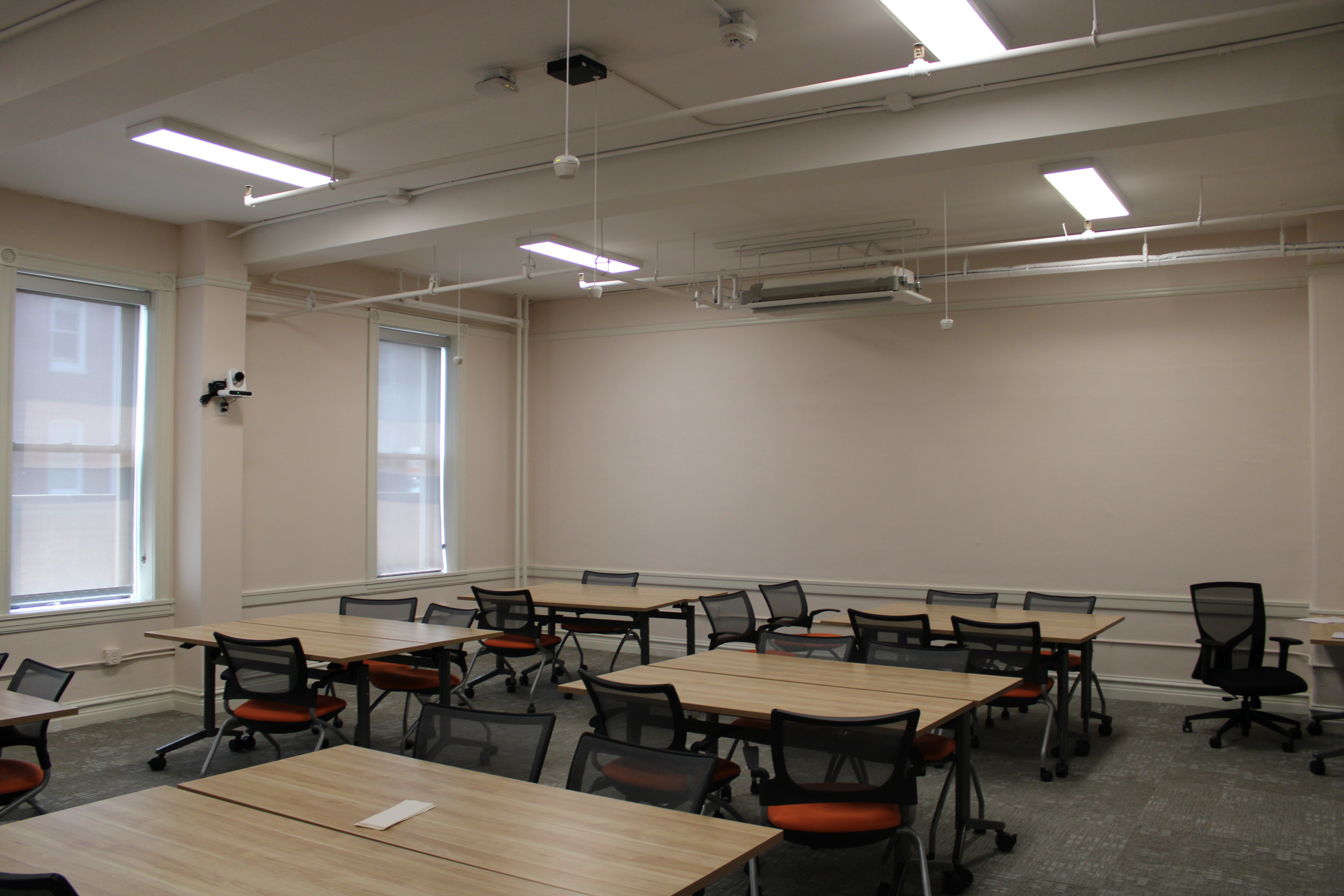
Renovated classroom for students or other various meetings
About the Community Development Administration (CDA):
Established in 1974, CDA invests approximately $25 million each year in affordable housing, community development, and public services across St. Louis. As the City’s housing and community development agency, CDA works in partnership with HUD, the Planning and Urban Design Agency and the St. Louis Development Corporation to ensure that funding priorities are transparent, competitive, and community-driven.
-
Contact Information:
Tom Nagel
Public Information Officer II -
Department:
Community Development Administration
-
Topic:
Education and Training
Employment, Jobs, and Careers
Workforce Training and Development
Related Stories
Help Us Improve This Page
Did you notice an error? Is there information that you expected to find on this page, but didn't? Let us know below, and we'll work on it.
Feedback is anonymous.


