 GOV
GOV
Meeting Every Need: Carondelet Community Betterment Federation’s Holistic Approach
From their food pantry to housing renovations, Carondelet Community Betterment Federation is providing for their community in all aspects.
By Aubree Herzog, Washington University Gephardt Institute for Civic and Community Engagement, 2026 St. Louis Fellow
There are many parts to the Carondelet Community Betterment Federation’s (CCBF) operation, trying to improve the community in as many ways as they can. They strive to identify the social, economic, and educational needs of the community and then swiftly work to address those needs. On our visit, we took a look at their Home Repair program and Food Pantry.
The Carondelet Community Betterment Federation was founded in 1971 with the goal to help elderly residents in the neighborhood maintain their homes and address gaps within the community. It still does this today through their home repair program. Through grant funding, they provide home improvements for low to moderate income senior citizens or homeowners who are disabled.
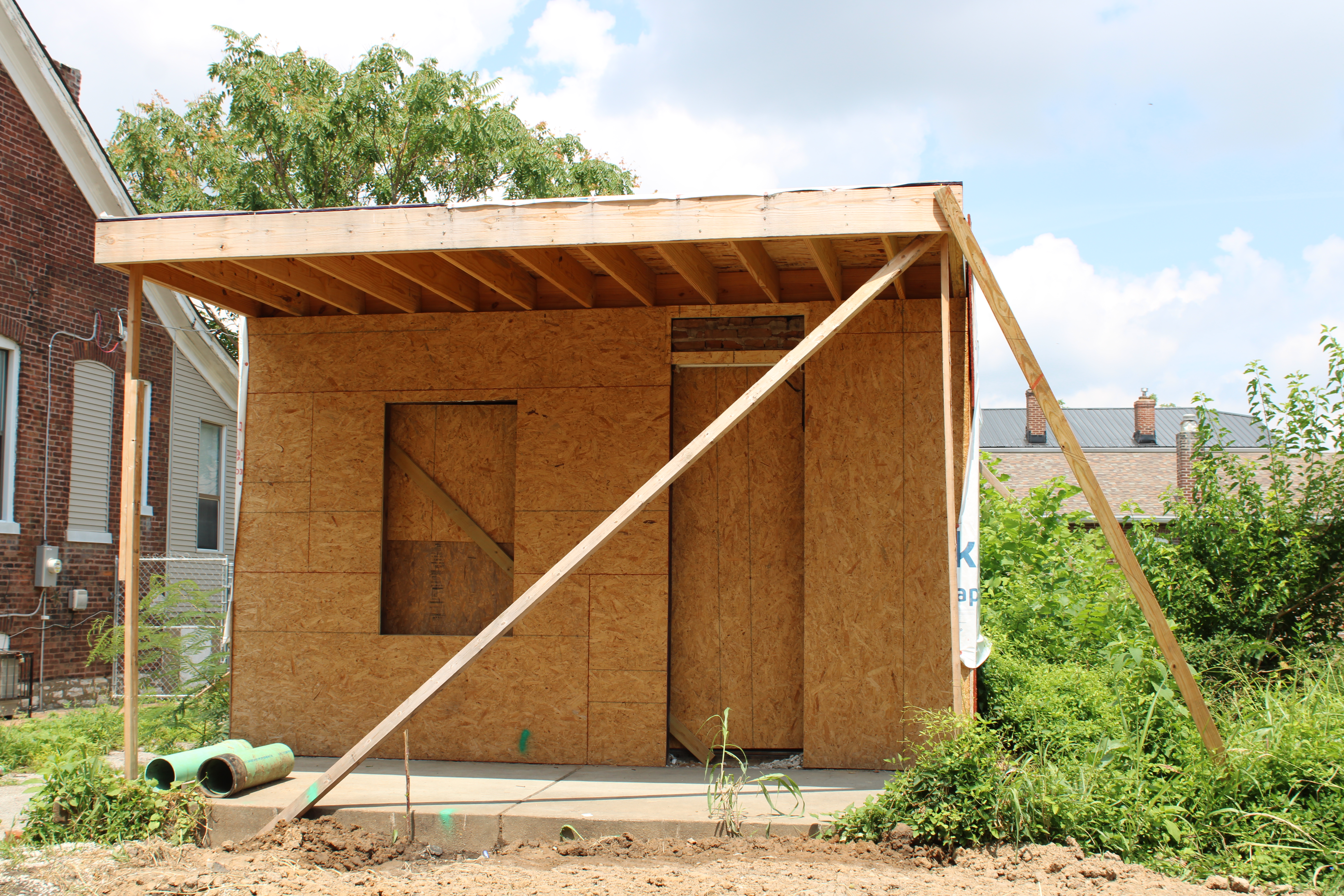
Current construction of house at 6109 Michigan Ave.
Recently, CCBF was awarded a $406,850 Neighborhood Transformation Grant from the Community Development Administration (CDA) to complete a project known as “Michigan Homes”. It aims to build and renovate houses on Michigan Avenue, specifically at 6109 and 7226 Michigan Avenue. The total development cost estimates $658,350 and the CDA funding greatly contributes to the project. The project helps provide jobs for the community with the rehabilitation work, and work has begun at the 6109 address.
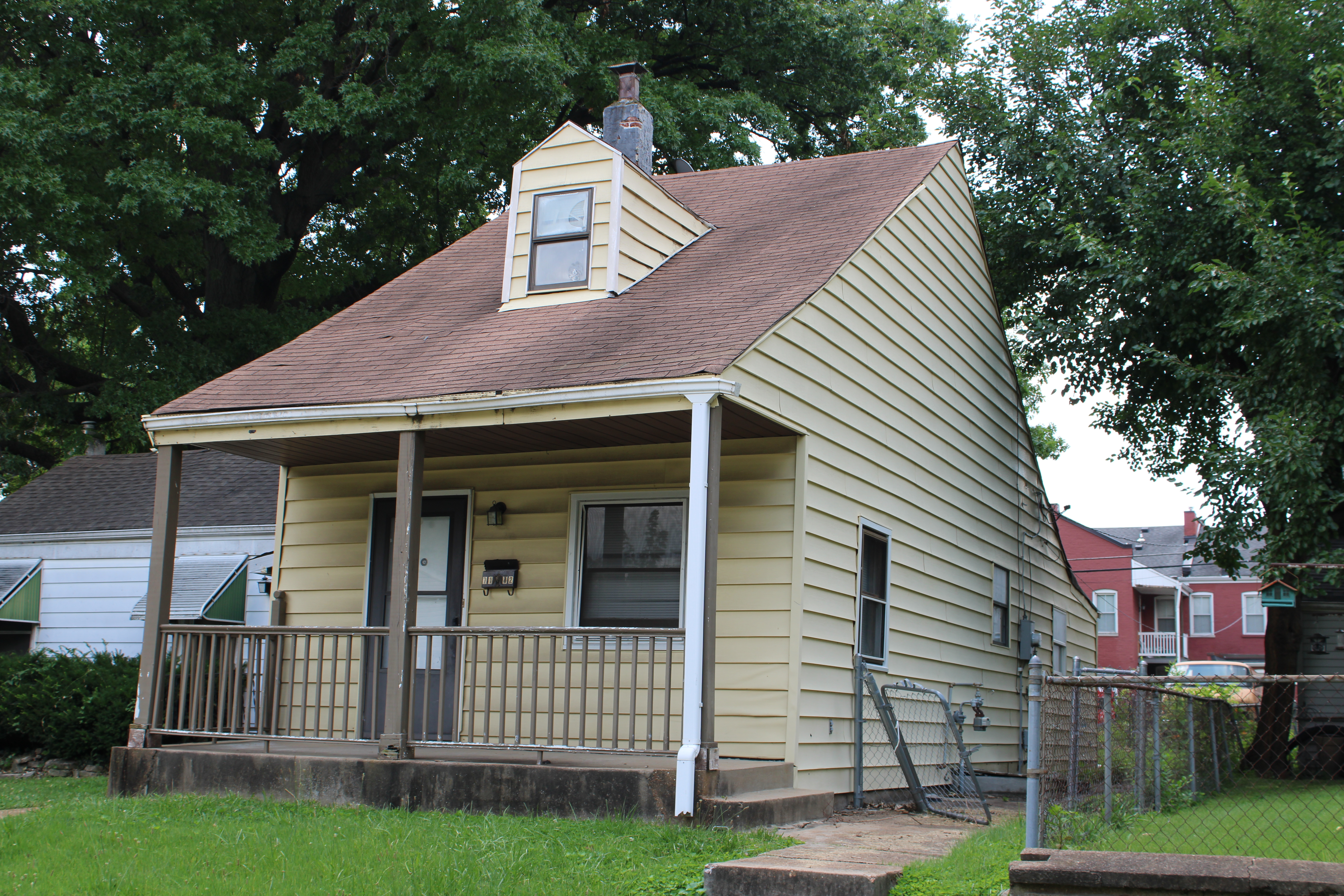
An example of what the home will look like fully restored.
The project aims to save a historic house, which mostly includes saving the historic brick walls that surround the house. This project is an intense rehabilitation, and aims to provide one aspect of stabilization to the neighborhood. After this renovation is completed, CCBF hopes to tackle more vacant properties in the community.
Another aspect of the organization is the St. Joseph Outreach Food Pantry. This has been operated by CCBF for over 30 years, and it moved to their main office when the original St. Joseph School was demolished. Through private donations, the St. Louis Area Foodbank, CDA funding, food drives, local businesses, and community gardens, CCBF is able to provide healthy and nutritious food to residents. Another aspect of the program is distributing boxes directly to seniors.
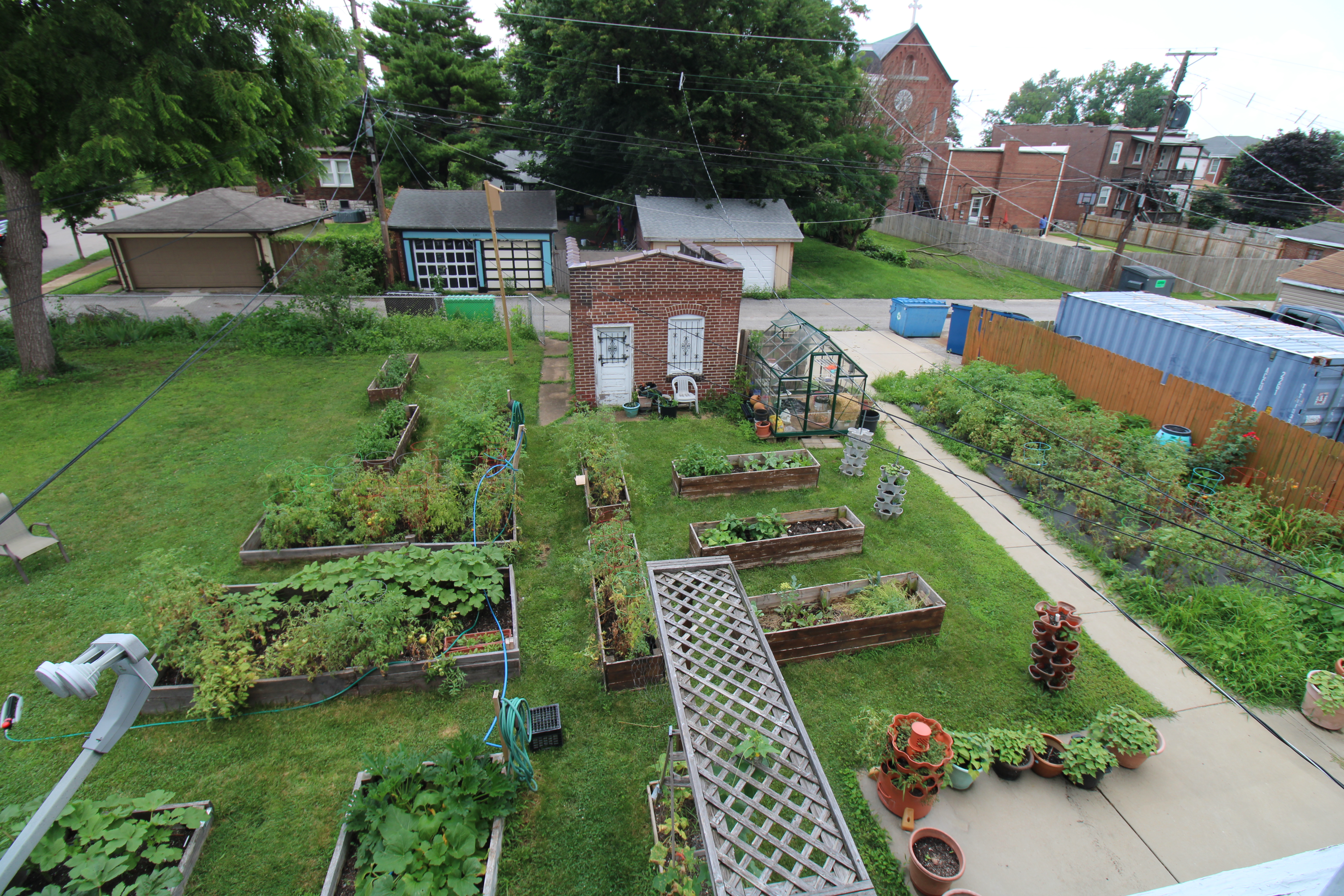
Aerial view of CCBF’s Garden
CCBF received $91,355 from CDA Community Development Block Grants (CDBG) in Fiscal Year 2026 for food and nutritional services. This funding directly supported residents and access to food. Behind their building, they also have a garden which helps produce fresh fruit and vegetables for the food pantry.
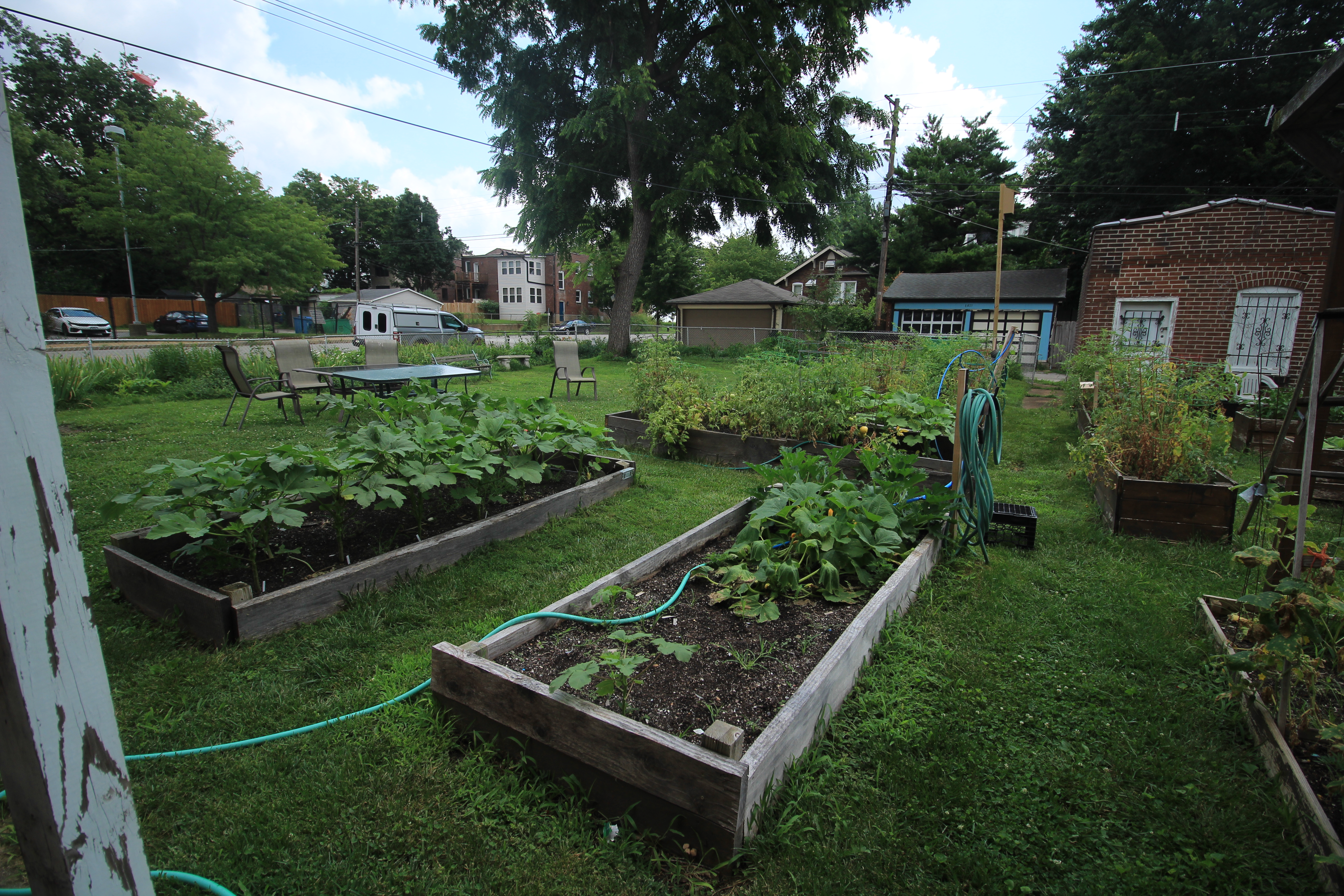
A closer look at the beds in the garden
CCBF is open Monday, Wednesday, and Friday from 8:30 am to 11:45 am. When speaking to Executive Director Fred Hessel, he said the food pantry can get up to 90 people weekly. They usually serve 15-20 people a day, but have had up to as many as 35 people on a busy day. Two years ago, he said there was a 30% increase in attendance. Since then, it has increased by about 10% every year. Hessel, who took over leadership of the organization in 2014 believes this increase in resident attendance due to high costs of living, and affordability issues.
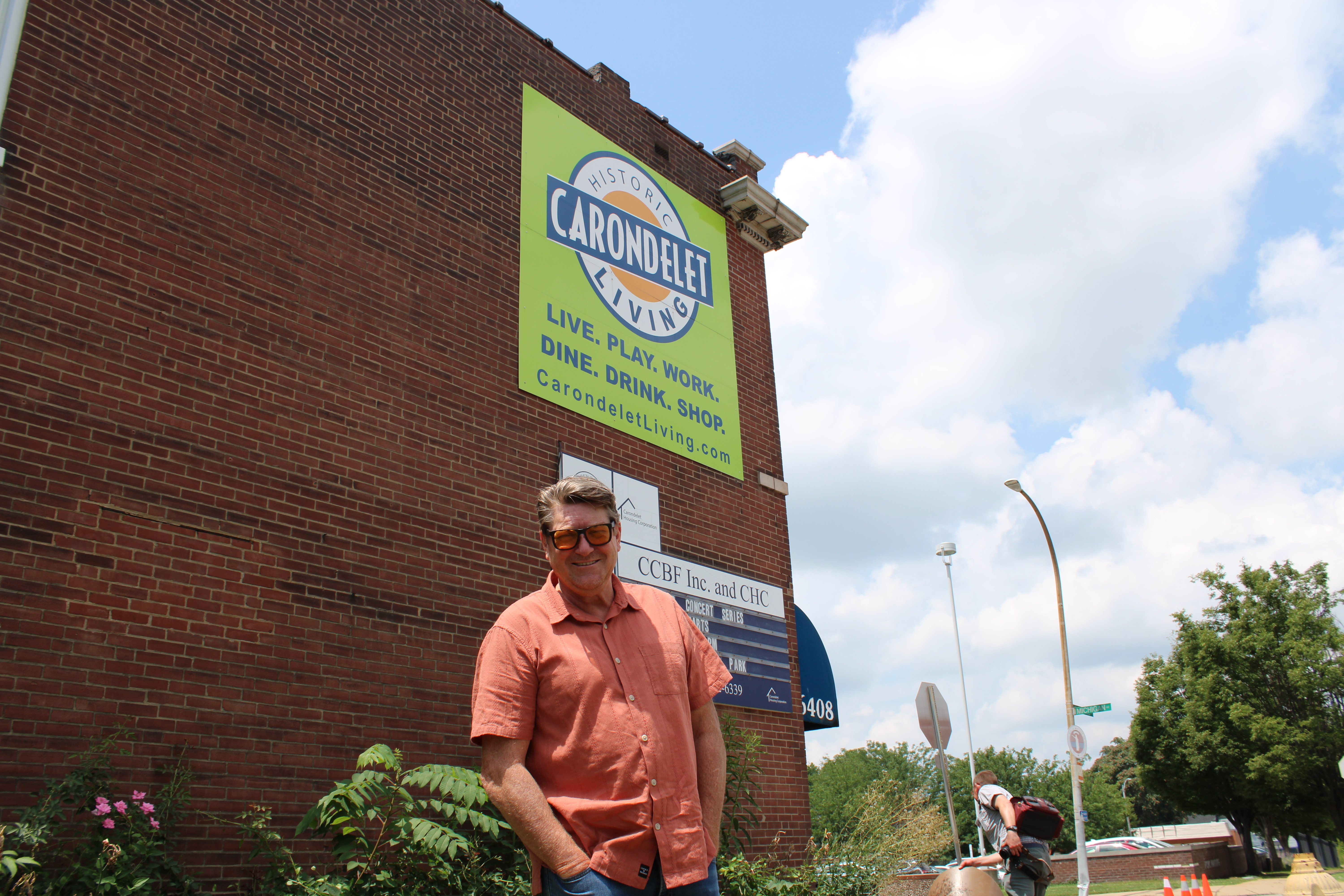
Executive Director Fred Hessel standing in front of the food pantry store front.
From growing and providing food to rehabilitating homes, CCBF is providing for the Carondelet neighborhood with holistic and community-focused support. The CDA is proud to take part in strengthening the Carondelet through CDBG funding and Neighborhood Transformation Grants to improve quality of life within the neighborhood.
About the Community Development Administration (CDA):
Established in 1974, CDA invests approximately $25 million each year in affordable housing, community development, and public services across St. Louis. As the City’s housing and community development agency, CDA works in partnership with HUD, the Planning and Urban Design Agency and the St. Louis Development Corporation to ensure that funding priorities are transparent, competitive, and community-driven.
Help Us Improve This Page
Did you notice an error? Is there information that you expected to find on this page, but didn't? Let us know below, and we'll work on it.
Feedback is anonymous.


