 GOV
GOV
GRO District Transforms 23 Vacant Lots into Acres of Urban Agriculture
ARPA-funded CDA Neighborhood Transformation Grant supports new food production, education, and community gathering space on St. Louis' north side.


By Akima Garner, Washington University Gephardt Institute for Civic and Community Engagement 2026 St. Louis Fellow
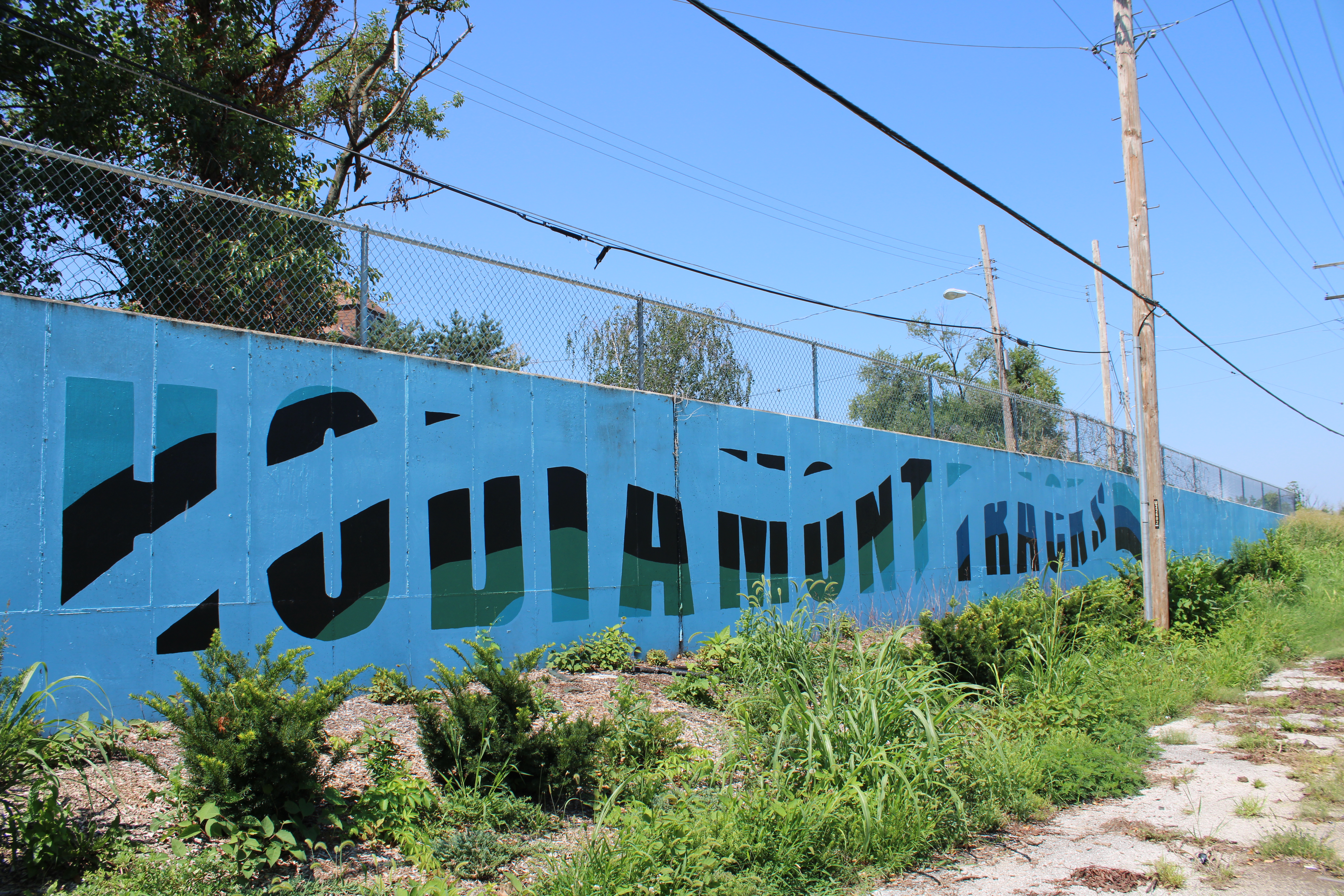
North of Delmar along the old Hodiamont Tracks in the Lewis Place neighborhood, GRO Health Center is turning years of vacant land into a working farm and gathering space for the community. This is the area now coined the GRO District, a project of the GRO Health Center that's reimagining what's possible for reusing vacant land.
In 2023, the GRO District was awarded a $335,000 ARPA-funded Neighborhood Transformation Grant to transform the vacant land into 24 acres of urban agriculture, food production, and community space.
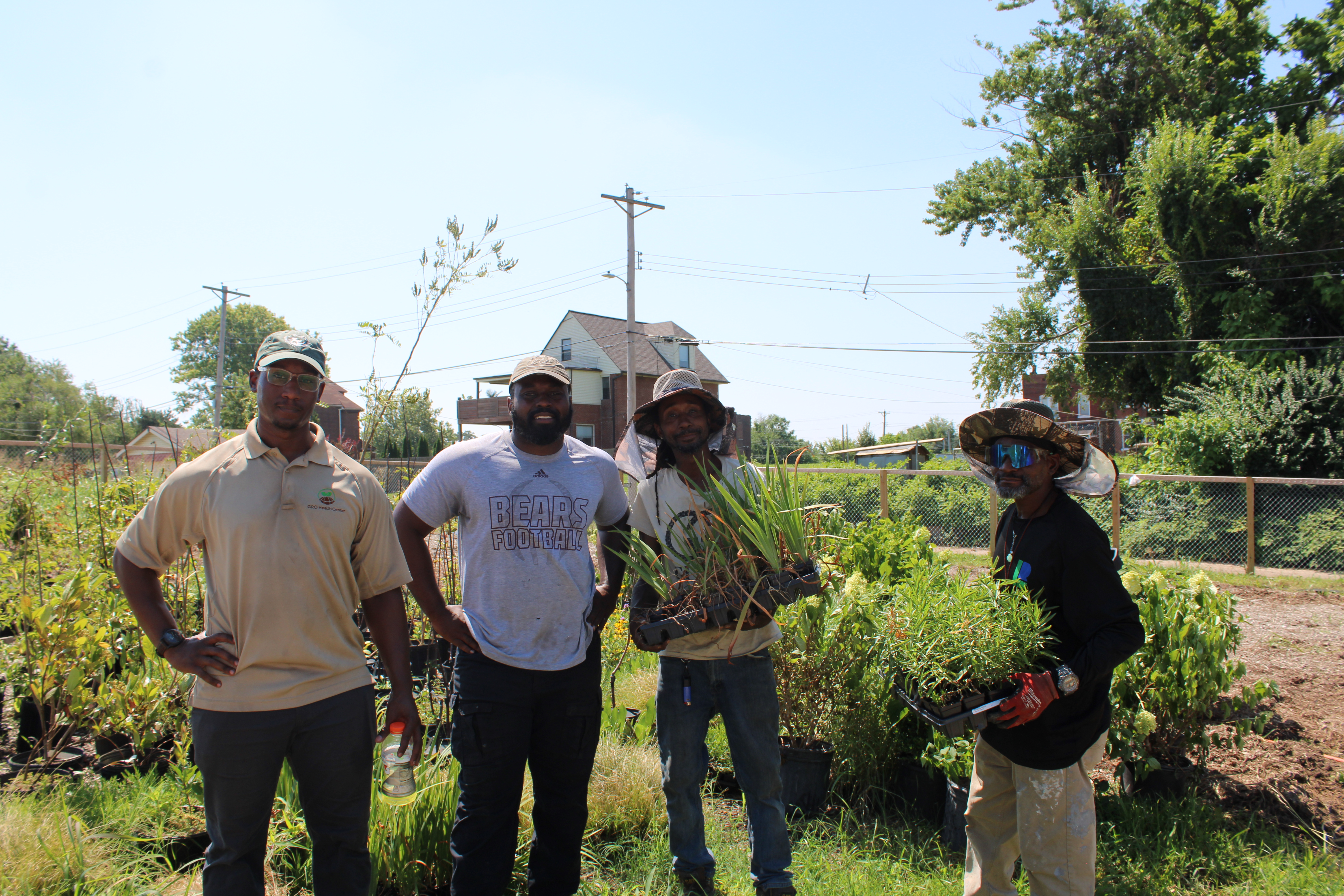
Nashad Carrington and team members tending to the garden.
From Backyard to Neighborhood
GRO Health Center got its start at the end of 2019, focused on helping small landowners in the city understand how to participate in federal conservation programs through a partnership with the U.S. Department of Agriculture (USDA). Things like native tree plantings, irrigation, and soil health. However, Director of Carbon Strategy Nashad Carrington and his team quickly ran into a practical problem; it's hard to run a large-scale demonstration project out of somebody's backyard.
"We needed an area where we could create a series of demonstration projects that we can invite people to," Carrington explained. That need, combined with the loss of the city's old dollar-a-lot garden lease program, led the team to think bigger. Individual community gardens often start strong but fizzle out after a few years without financial incentives behind them. GRO District was built to be different – a holistic approach to turning vacancy into productive space both economically and socially.
Every one of the 23 lots that make up the district came from the Land Reutilization Authority (LRA). Phase one alone consolidated seven lots, some vacant since the early-to-mid 1970s.
"This ground has been vacant" for decades, Carrington said, standing where a house and walkway once stood.
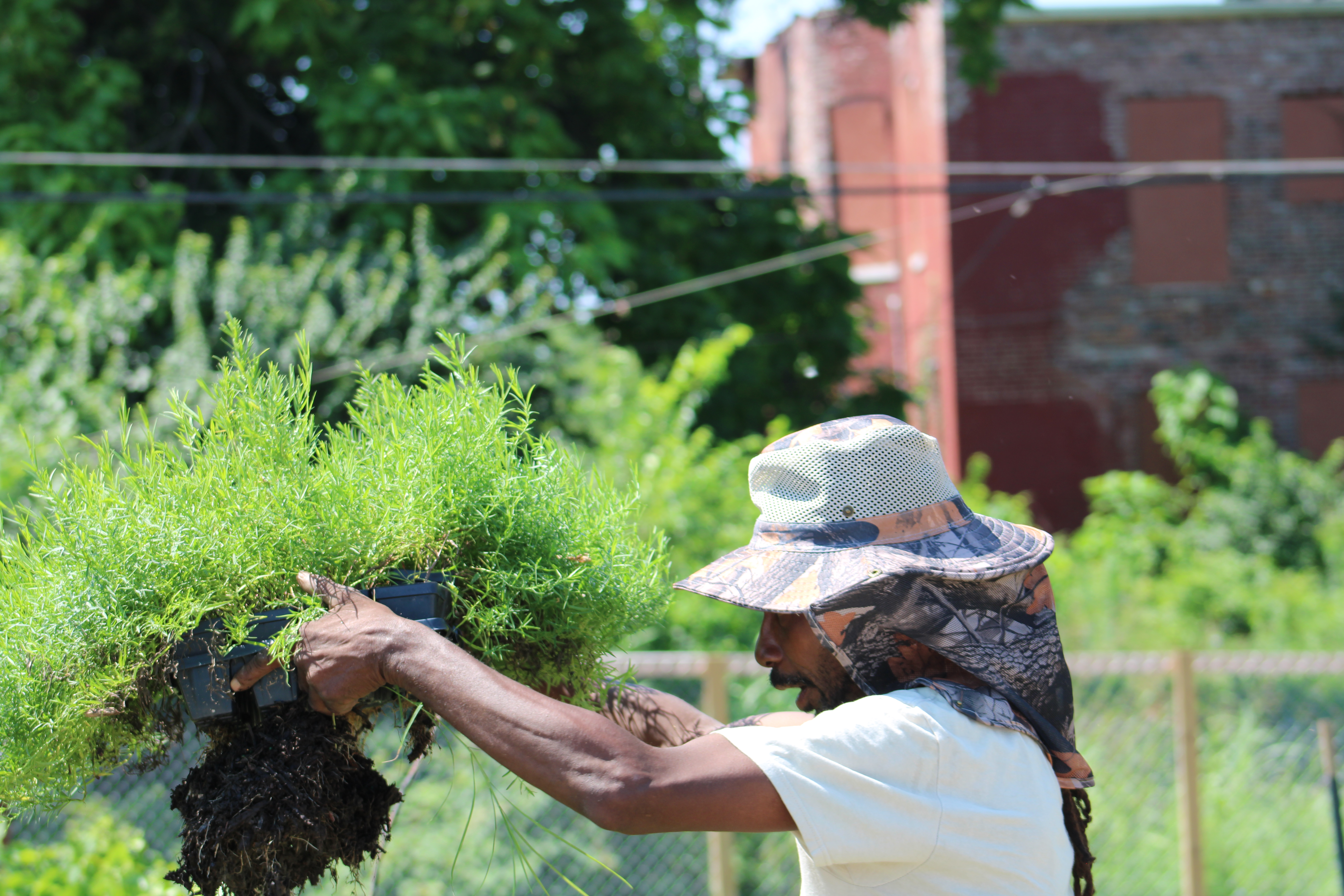
Team member inspecting roots of a plant.
The project has since grown into a partnership that includes the Missouri Department of Agriculture, Lincoln University, the National Fish and Wildlife Foundation, and the CDA.
Growing and Filling in the Gaps
According to Carrington, the work is guided by FoodVision 2050, a regional initiative built on three connected pillars: turning vacant land back into food-producing space (both edible crops and value-added businesses), building education and apprenticeship pipelines for students, and creating a community and research network anchored by university partnerships.
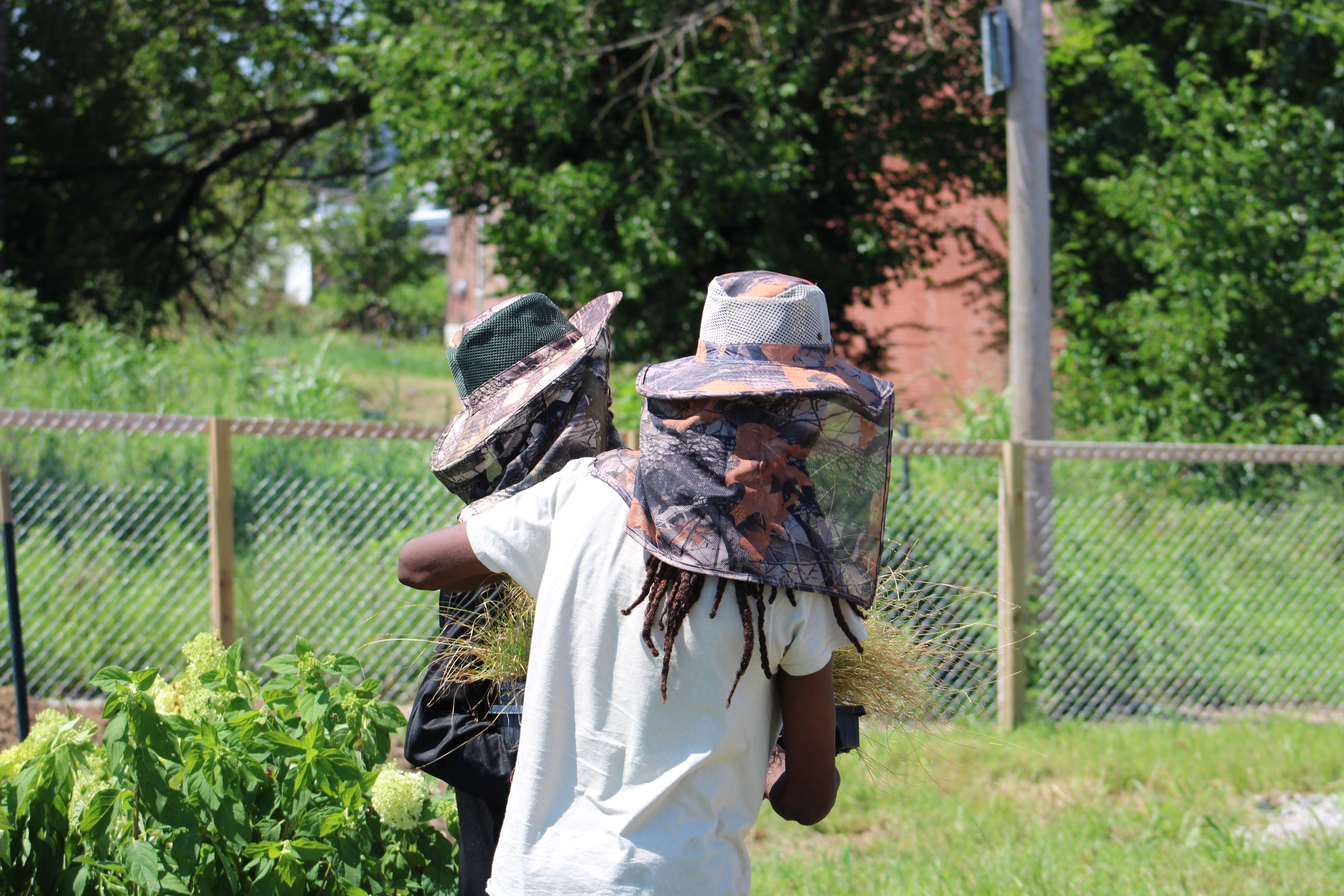
Two team members carrying plants and enjoying the sun.
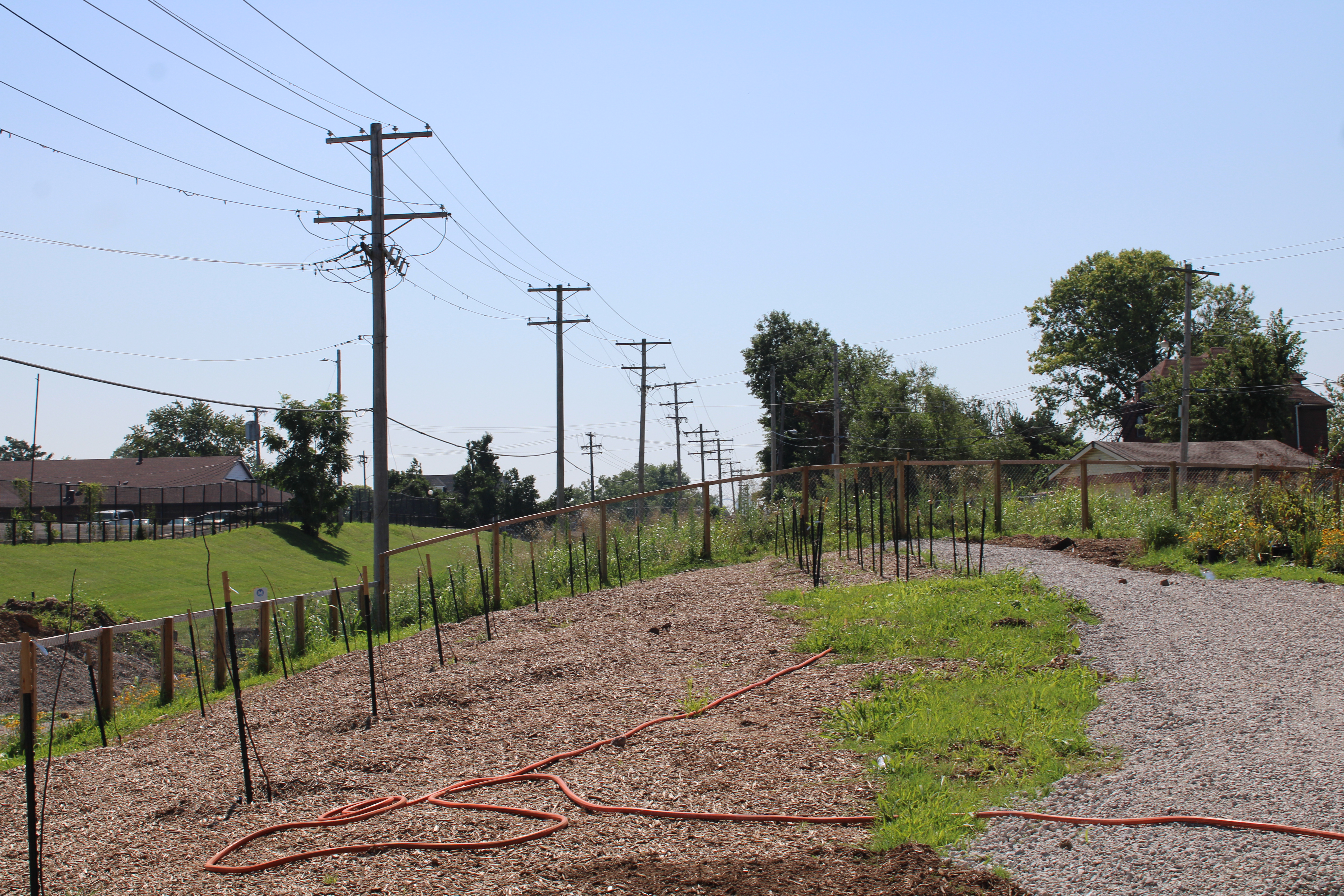
That educational piece is already blooming, literally! Forty-three varieties of heritage and heirloom apple trees, developed in partnership with the University of North Carolina, are now growing on site, some destined for fresh eating, others for cider or apple wine. "These trees are going to take about five years to even grow to maturity," Carrington said, a reminder that this is very much a long-term project. Service berries, mulberries, and paw paws are already in, with a mulched area set aside for herb production.
Three greenhouses, custom-built in Arkansas and acquired through the Missouri Department of Agriculture, are also part of the site. Including a 12-by-32-foot structure wired for electricity so it can eventually host community dinners and events.
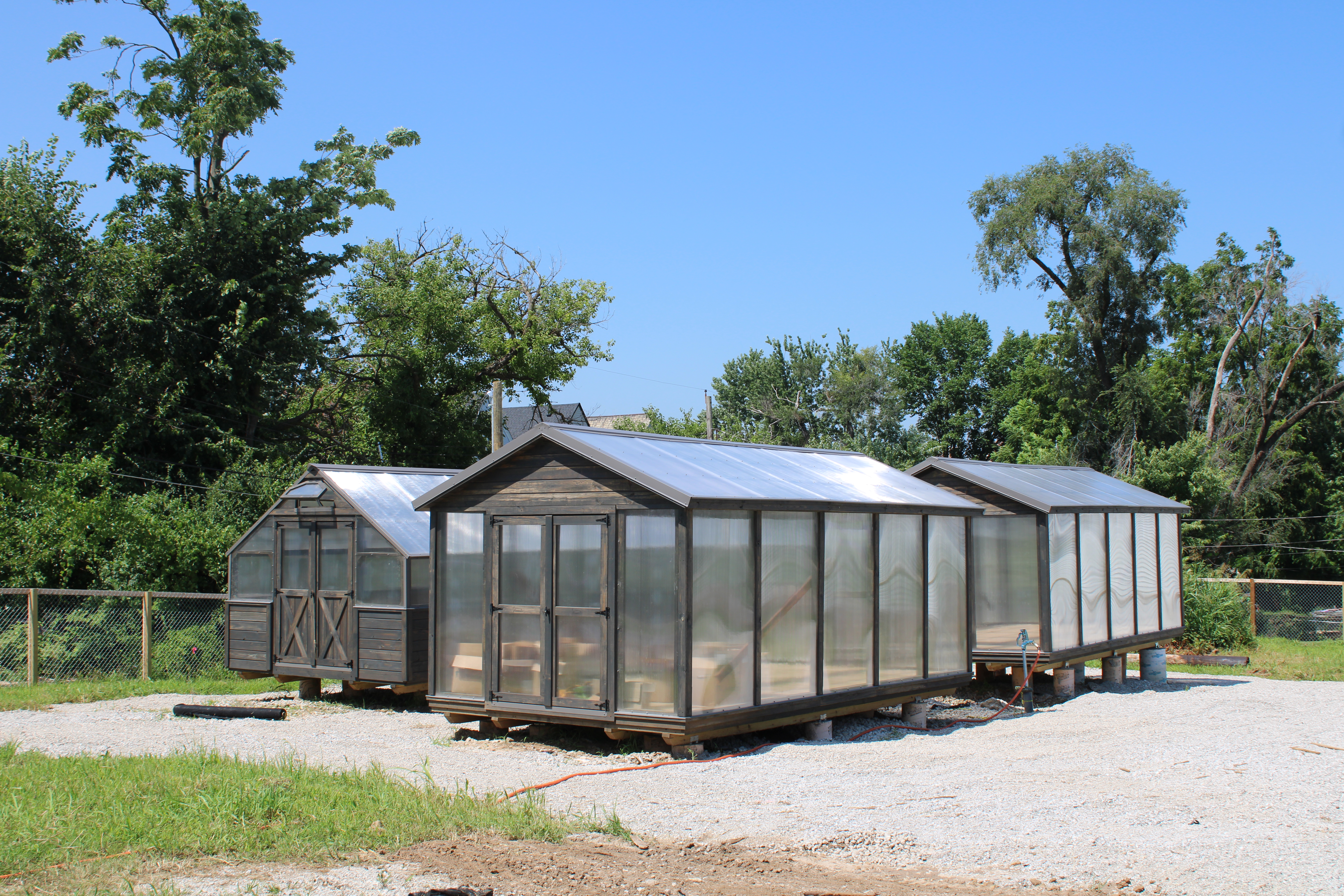
Three greenhouses within the garden.
Not everyone welcomed the project at first. Some early pushback came from a community group several blocks away. However, the neighbors closest to the district tell a different story. Mr. Robertson, who has lived next door for decades in a house with his wife, cleared out his backyard and extended his fence to match the district's new one after watching the work unfold. Another neighbor, a pastor with two vacant lots of their own, asked Carrington's team for help starting a garden. A young man from a nearby duplex curiously walked over one day to ask, "What y'all growing?" "I think it's a ripple effect," Carrington explained of the changes he's seeing. "What we're kind of inspiring is a bit of a ripple."
Coming soon to the district: a CDA-funded tool shed that will do double duty as equipment storage and the home of a tool-bartering program, where volunteer hours in the garden can be traded for free tool use. Thus, reviving a kind of neighbor-to-neighbor exchange longtime residents remember from decades ago.
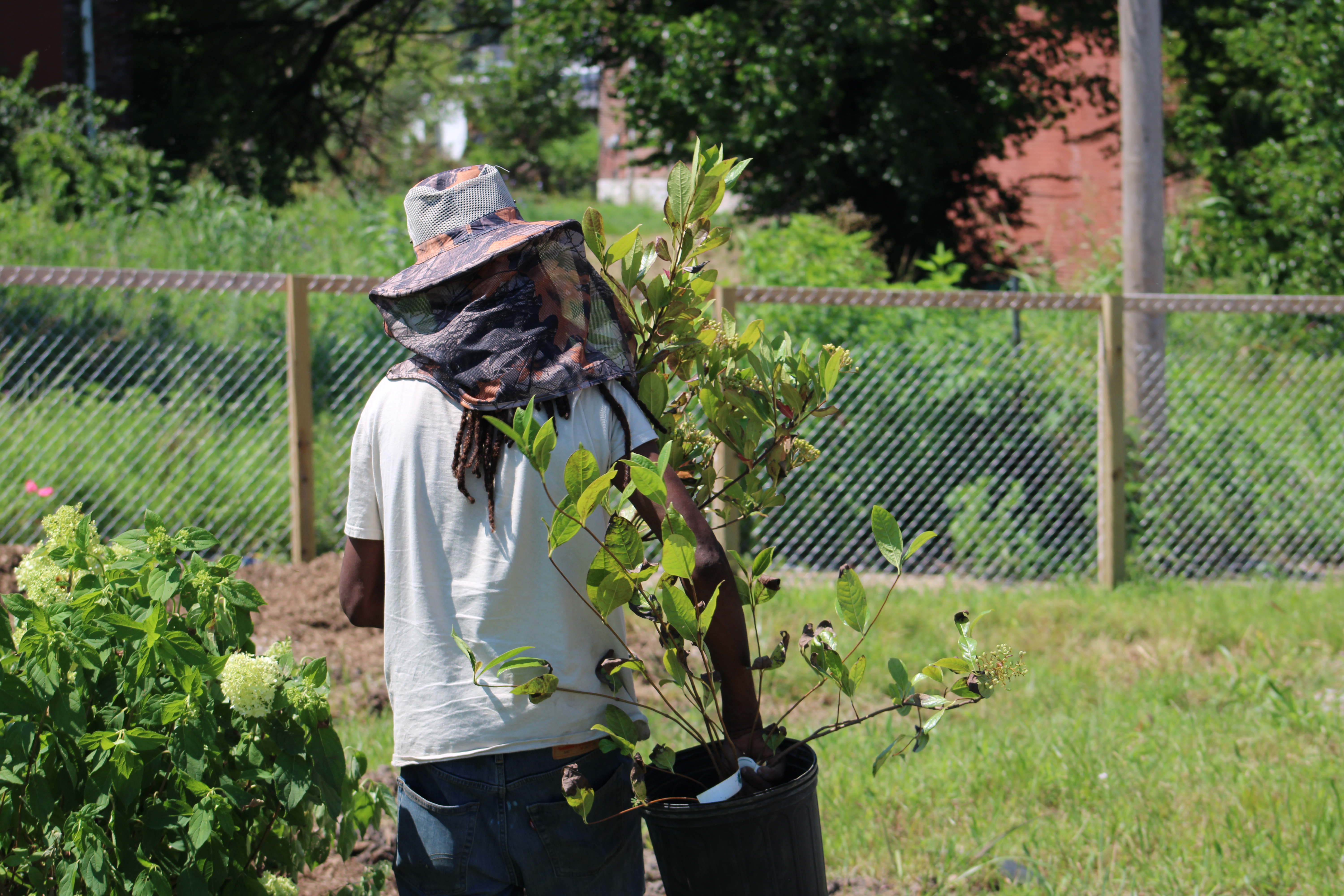
Team member carrying a new tree.
Planting a Seed for the Future
GRO Health Center's roots trace back to its founder's nursing career treating cardiovascular patients, where she saw firsthand how much of chronic illness is tied to lifestyle and environment; this includes access to healthy food. That understanding shapes the district's broader framework of resilience: economic, environmental, and emergency, or as Carrington calls them, "The Three E's."
Looking ahead, the team hopes to activate the old Hodiamont Track area for community market days and to bring in ag-tech partnerships at a future site on North Taylor. For a stretch of the city with no grocery store for blocks in any direction, the vision is to turn vacancy into growth, one lot at a time.
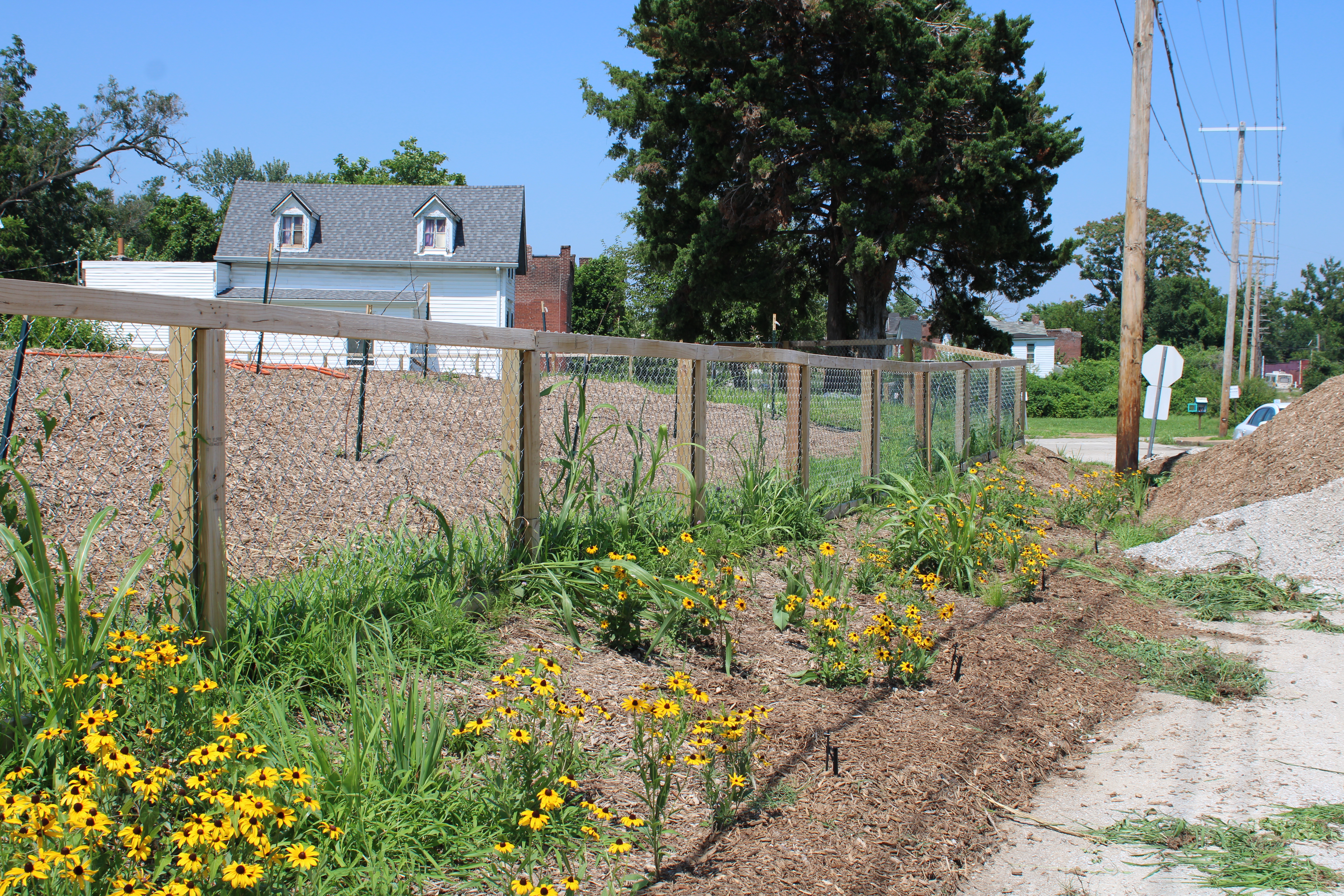
Beautiful flowers planted outside the fencing of the garden.
About the Community Development Administration (CDA):
Established in 1974, CDA invests approximately $25 million each year in affordable housing, community development, and public services across St. Louis. As the City’s housing and community development agency, CDA works in partnership with HUD, the Planning and Urban Design Agency and the St. Louis Development Corporation to ensure that funding priorities are transparent, competitive, and community-driven.
-
Contact Information:
Tom Nagel
Public Information Officer II -
Department:
Community Development Administration
-
Topic:
Environment
Community
Beautification and Nuisance Reduction
Related Stories
Help Us Improve This Page
Did you notice an error? Is there information that you expected to find on this page, but didn't? Let us know below, and we'll work on it.
Feedback is anonymous.


